Search intent here
This page captures buyers looking for the outcome of better lighting control, whether or not they search by platform name.

Smart lighting control is not only about turning lights on with an app. It is about building room behavior, scenes, routines, and a better everyday atmosphere around how the home is actually lived in.
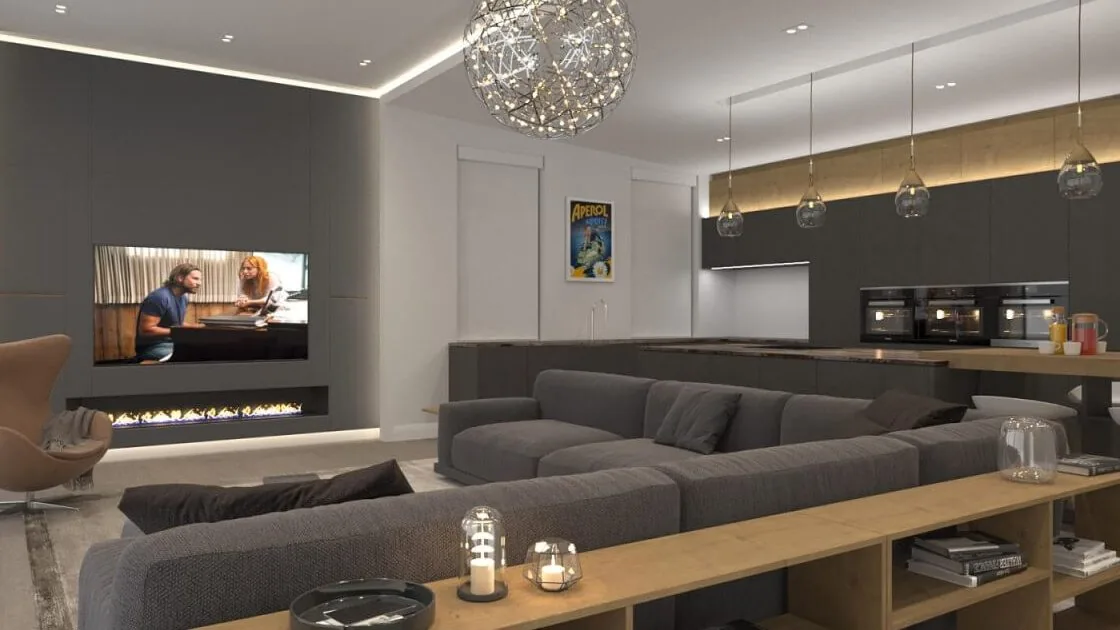
This page is designed to serve real search intent, clarify scope, and create a cleaner path from discovery to consultation without relying on vague or generic automation language.
This page captures buyers looking for the outcome of better lighting control, whether or not they search by platform name.
Overlit rooms, inconsistent moods, too many switches, and lighting that does not adapt to the way the home is used.
Lighting often becomes one of the most frequently used and most visible parts of the smart home experience.
The strongest lighting systems begin with room purpose, time-of-day behavior, natural light conditions, and how people move through the home.
This service is especially useful in homes where lighting should shape ambience, support entertaining, and reduce friction across multiple spaces.
These answers are written to support decision-making before a consultation and to improve topical clarity for the page without keyword stuffing.
Not really. A lighting-control strategy is broader and more intentional, especially when multiple rooms and scenes are involved.
Yes. Many homeowners phase lighting improvements if the system is planned with future expansion in mind.
Yes. Occupancy-style behavior, away modes, and exterior-interior transitions can all support a stronger lived sense of security.
These links strengthen internal relevance across automation, lighting, networking, AV, builder, and support intent.
If you are comparing integrators, budgeting a Florida project, or trying to turn broad ideas into a buildable scope, the next step should be a consultation focused on systems, infrastructure, and usability, not just products.